Flyte 1 vs. Flyte 2 vs. Union.ai
All three share the same Python-native authoring model. Your workflows don’t change. What changes is the runtime: how far it scales, how fast it executes, and how much of the infrastructure your team has to own.
Compare Features
Flyte workflows run on Union.ai without rewriting. The comparison below covers execution architecture, runtime capabilities, and operational model: the parts that determine whether your platform can keep up with your team.
Both platforms share the same Python-native authoring, dynamic workflows, and typed exception handling. Flyte workflows run on Union.ai without rewriting.
Scale & Throughput
Flyte's execution model submits one Kubernetes pod per task. At low volumes this is fine. At high cardinality it creates cascading pressure on the pod scheduler, the K8s API server, and etcd. The limits below are symptoms of that architecture, not configuration choices.
Authoring & Workflow Semantics
All three platforms share the same Python-native authoring model introduced in Flyte 2. The differences below are about what the runtime can safely execute and how dynamically workflows can adapt at runtime.
Realtime AI & Agents
Flyte was designed as a batch orchestration system. The rows below reflect what it takes to move from running experiments to powering production applications.
Infrastructure & Scheduling
The capabilities below are either entirely absent in Flyte OSS or left to the platform team to build and operate independently.
Observability, Data & Cost
Flyte OSS surfaces execution state. The rows below cover what it takes to understand what your workflows are doing, where your spend is going, and where your data came from.
Security & Governance
Platform Operations
Benchmarks
Dive into the benchmarks comparing Flyte 2 and Union.ai
Results, proven in production.

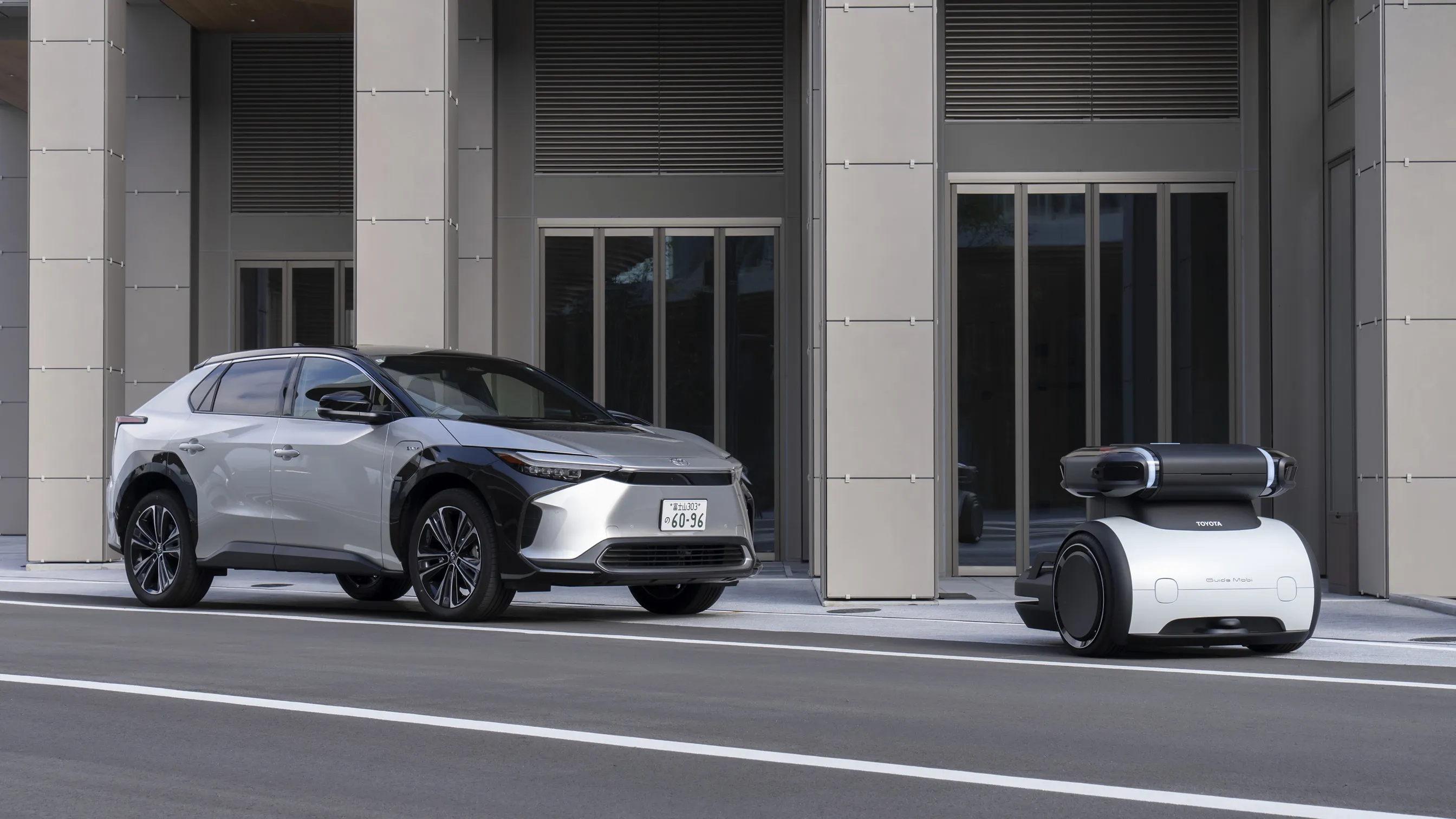
Woven by Toyota saves millions and scales autonomous driving with Union.ai

Frequently asked questions
What makes Union.ai better for production AI?
Union.ai outperforms any OSS alternative on scale and performance in production. It supports 50K+ actions per workflow, 10,000+ concurrent actions per run, and cold start under 5 seconds. Reusable warm-start containers, per-action GPU and CPU profiling, cost attribution per team and workflow, and fail-fast resource validation at launch are the capabilities that separate a platform you can run experiments on from one you can run a business on.
What are reusable containers and when do they matter?
Most orchestrators launch a new Kubernetes pod per action, ~10 seconds of overhead before your code runs. Union.ai supports reusable containers: warm containers you can use across similar tasks. Cold start drops to under 100ms and GPU stays allocated across invocations. For teams building agentic AI, RAG pipelines, or multi-step inference workflows, this adds essential production efficiency.
How hard is it to migrate from Flyte to Union.ai?
Flyte workflows run on Union.ai without rewriting. The SDK is compatible and the authoring model is identical. The migration is mostly operational and straightforward. Most teams run their first workflow on Union.ai within an hour of starting setup.
We’re running open-source Flyte. What’s the real cost?
Flyte OSS is free to license. Operating it (or any open-source orchestrator) is not free. A stable production deployment requires a significant amount of manual maintenance that gets more costly as you scale. Engineers must manage Helm values, Postgres, ingress config, a separate secrets solution, an external log aggregation stack, and ongoing K8s maintenance. Union.ai offloads this maintenance so your team focuses on workflows, not infrastructure. The break-even on engineer time tends to come faster than most teams expect.
Does Union.ai make sense for smaller teams?
Scale is one part of the value. The features that tend to matter first for smaller teams are data lineage, persistent logs and built-in observability, and managed secrets that pass a security review without custom engineering. RBAC and cost attribution matter as soon as a second team starts touching the same platform. The operational overhead of self-managed Flyte tends to grow faster than the team itself does.
Why is Union’s zero trust architecture trusted by extremely security-sensitive industries?
Union’s zero trust security architecture means data NEVER transits outside your secure cloud. No model weights, pipeline outputs, or execution logs leave your environment. This is more secure than the industry status quo, where you’re required to trust a vendor to handle your data safely.